As technology progresses, humanoid robots are becoming increasingly sophisticated, raising questions about their practical roles in home environments. By 2026, many households may see humanoid robots assisting with a variety of tasks, but understanding their realistic capabilities is essential to set accurate expectations about their integration into daily life.
Current State of Humanoid Robots for Domestic Use
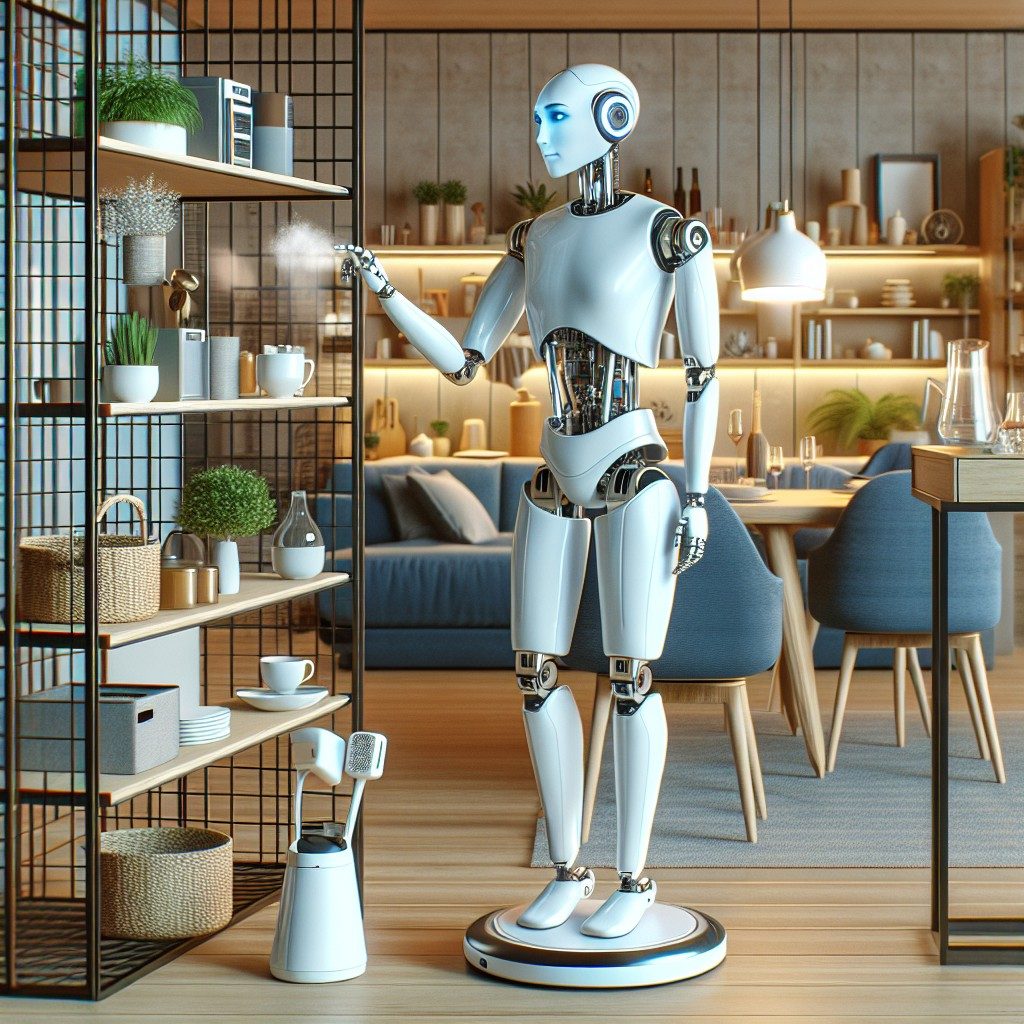
The development of humanoid robots has advanced notably in recent years, with significant improvements in mobility, perception, and interaction. Companies and research institutions have introduced models capable of performing basic household chores such as cleaning floors, retrieving objects, or monitoring home security. However, these robots typically operate within predefined parameters and require a controlled environment to function effectively. The sophistication needed to navigate unpredictable home settings remains a challenge.
Practical Household Tasks They Can Manage
By 2026, humanoid robots will realistically assist with routine and repetitive household tasks. These include vacuuming floors, organizing simple items, and managing smart home devices through integrated systems. Their ability to recognize objects and adapt to minor changes in the environment has improved but remains limited. Tasks requiring fine motor skills, such as cooking complex meals or handling fragile objects, are still difficult for robots to perform safely and reliably.
Interaction and Communication Abilities
Advances in artificial intelligence have enhanced humanoid robots’ capacity to understand and respond to voice commands and engage in basic conversations. These communication skills facilitate easier user interaction and make programming tasks more accessible. Nonetheless, the level of emotional recognition and response remains basic. Robots can detect certain vocal cues or facial expressions, but nuanced social interactions and empathetic responses are not yet fully developed for home settings.
Safety and Privacy Considerations
Safety features in humanoid robots have improved to minimize risks associated with physical interactions in crowded and dynamic home environments. Sensors and algorithms help avoid collisions and accidents. However, privacy concerns persist, especially regarding data collected by robots equipped with cameras and microphones. Manufacturers emphasize encryption and data protection, yet users are advised to remain informed about the data handling policies of their devices.
Affordability and Accessibility
While the price of humanoid robots has decreased somewhat, they remain a considerable investment for most households. Models capable of performing meaningful domestic roles are often priced beyond the reach of average consumers. Rental or subscription-based models are emerging as alternatives to outright purchases, potentially expanding accessibility. Despite this, significant adoption in mainstream home environments is expected to grow gradually rather than rapidly by 2026.
In conclusion, humanoid robots in 2026 will be capable of assisting with specific household tasks and interacting with users to a functional extent, but their abilities have limitations that prevent full automation of domestic life. Practical application will focus on routine chores and smart-home integration, while more complex, sensitive, or hazardous tasks will still require human involvement. As technology develops, continued progress is expected, but realistic expectations are essential for understanding what humanoid robots can achieve today and in the near future.
Frequently Asked Questions about humanoid robots
What types of household tasks can humanoid robots perform in 2026?
Humanoid robots in 2026 can realistically perform routine chores such as cleaning floors, organizing simple items, and controlling smart home devices, but they are limited in handling complex or delicate tasks.
How well do humanoid robots communicate with users at home?
By 2026, humanoid robots possess improved voice recognition and basic conversational skills, allowing practical interaction, though they lack advanced emotional understanding.
Are humanoid robots safe to use around children and pets?
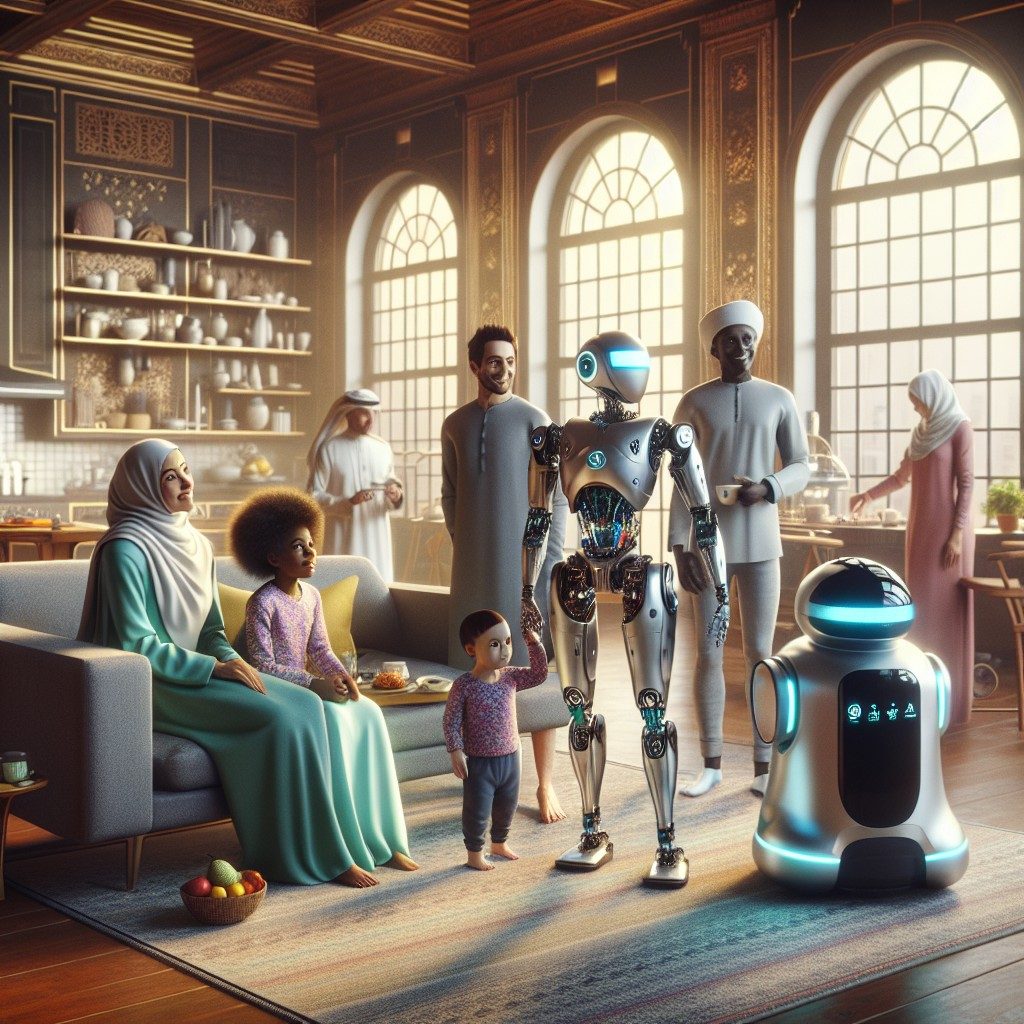
Humanoid robots are designed with safety features such as sensors to avoid collisions, making them generally safe around children and pets, yet supervision is recommended during initial use.
What privacy issues are associated with having a humanoid robot at home?
Since humanoid robots often have cameras and microphones, privacy concerns arise; manufacturers implement security measures, but users should review data policies carefully.
Will humanoid robots be affordable for average households by 2026?
Although costs have decreased, high-quality humanoid robots remain expensive; however, rental and subscription models are starting to provide more affordable options.