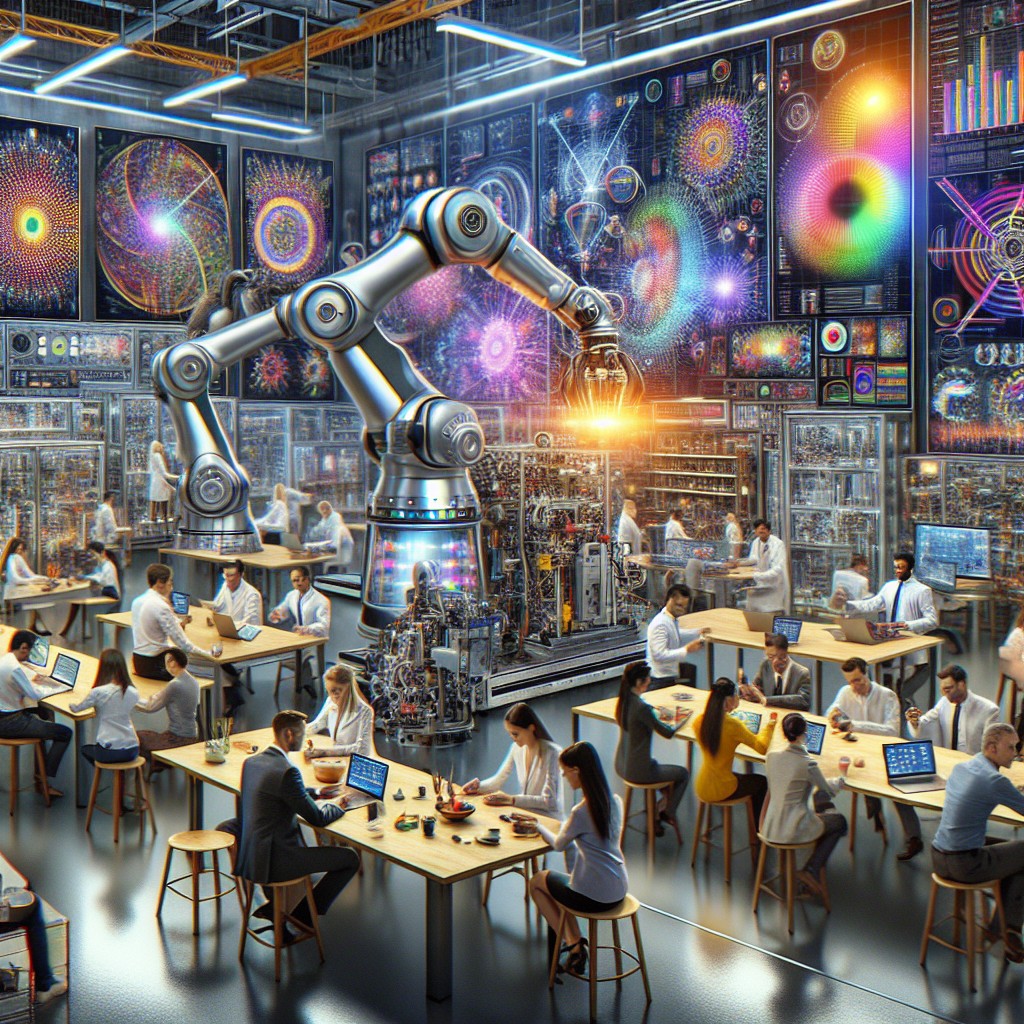
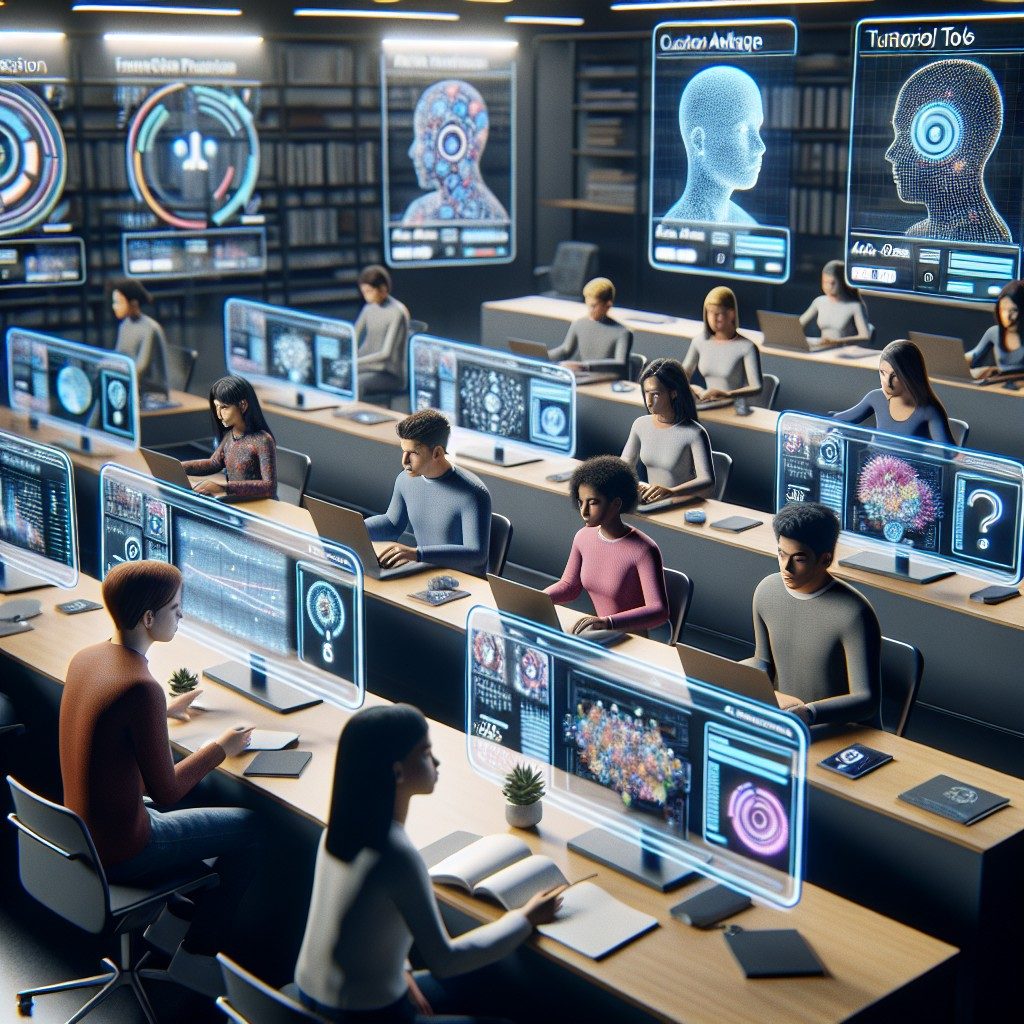
Recent advances in machine learning are no longer confined to research labs; they are increasingly becoming integral parts of consumer products. The continuous refinement of algorithms and computational power has enabled companies to embed sophisticated intelligence into everyday devices and applications.
Integration of machine learning in smart home devices
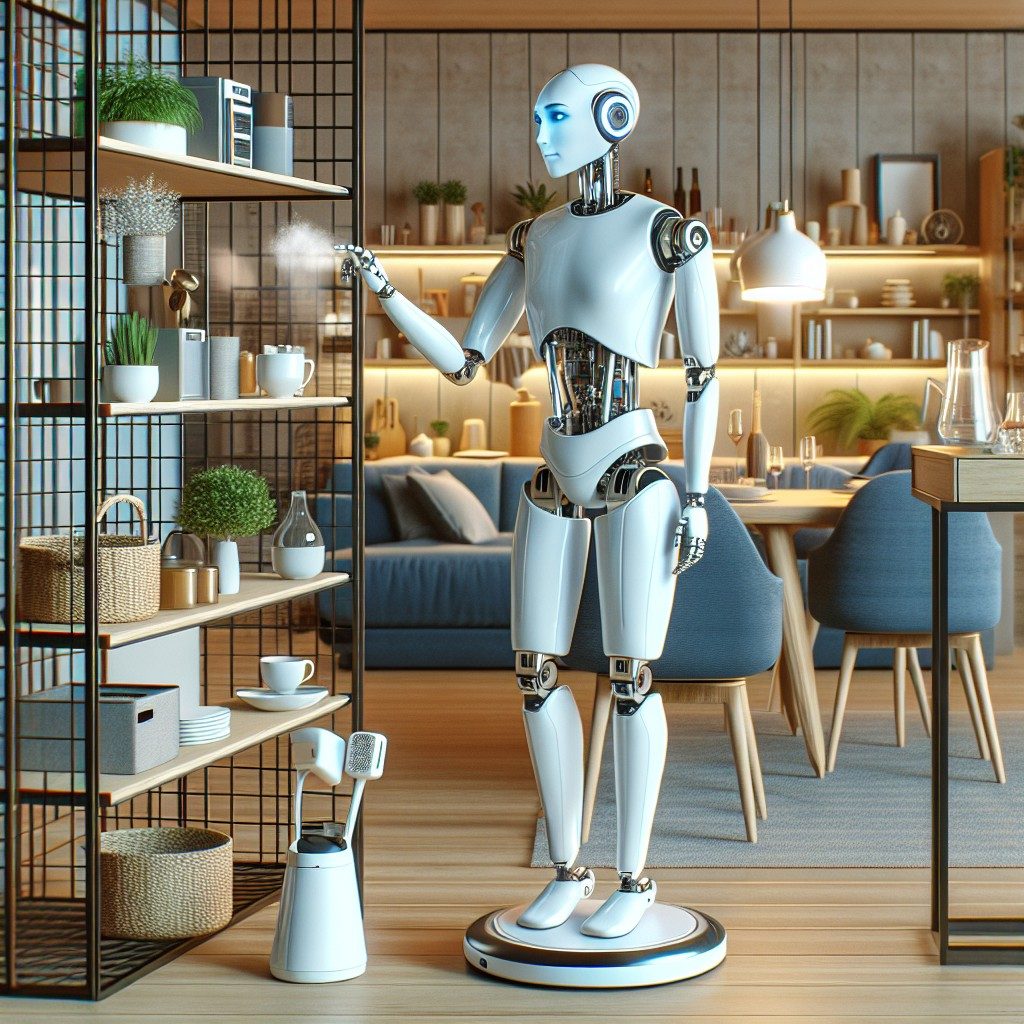
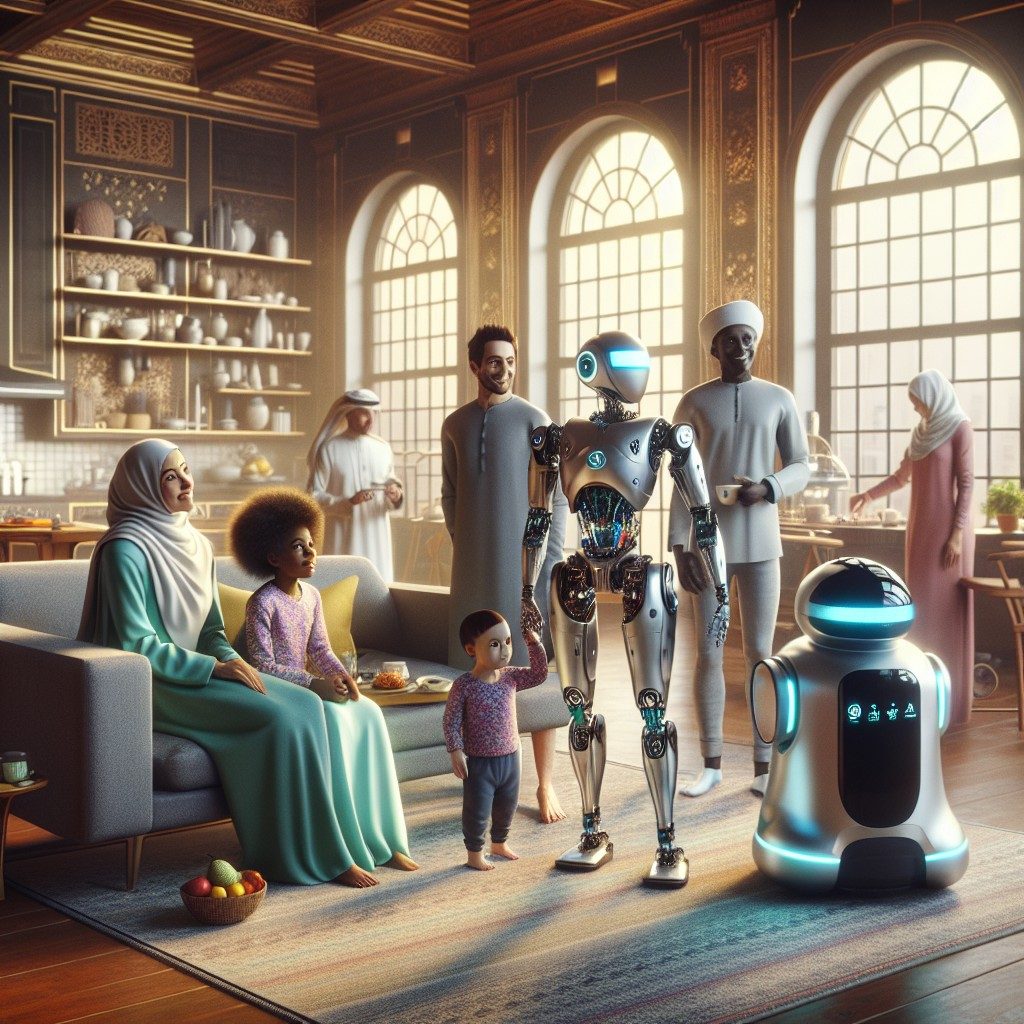
Smart home technology has been one of the earliest adopters of machine learning. Voice-activated assistants, such as smart speakers and thermostats, rely heavily on machine learning algorithms to understand user commands more accurately and to adapt to individual preferences. These devices analyze patterns in user behavior over time, offering a personalized experience that improves convenience and energy efficiency. This integration marks a significant shift from static programming to adaptive, learning systems in homes worldwide.
Advancements in healthcare applications
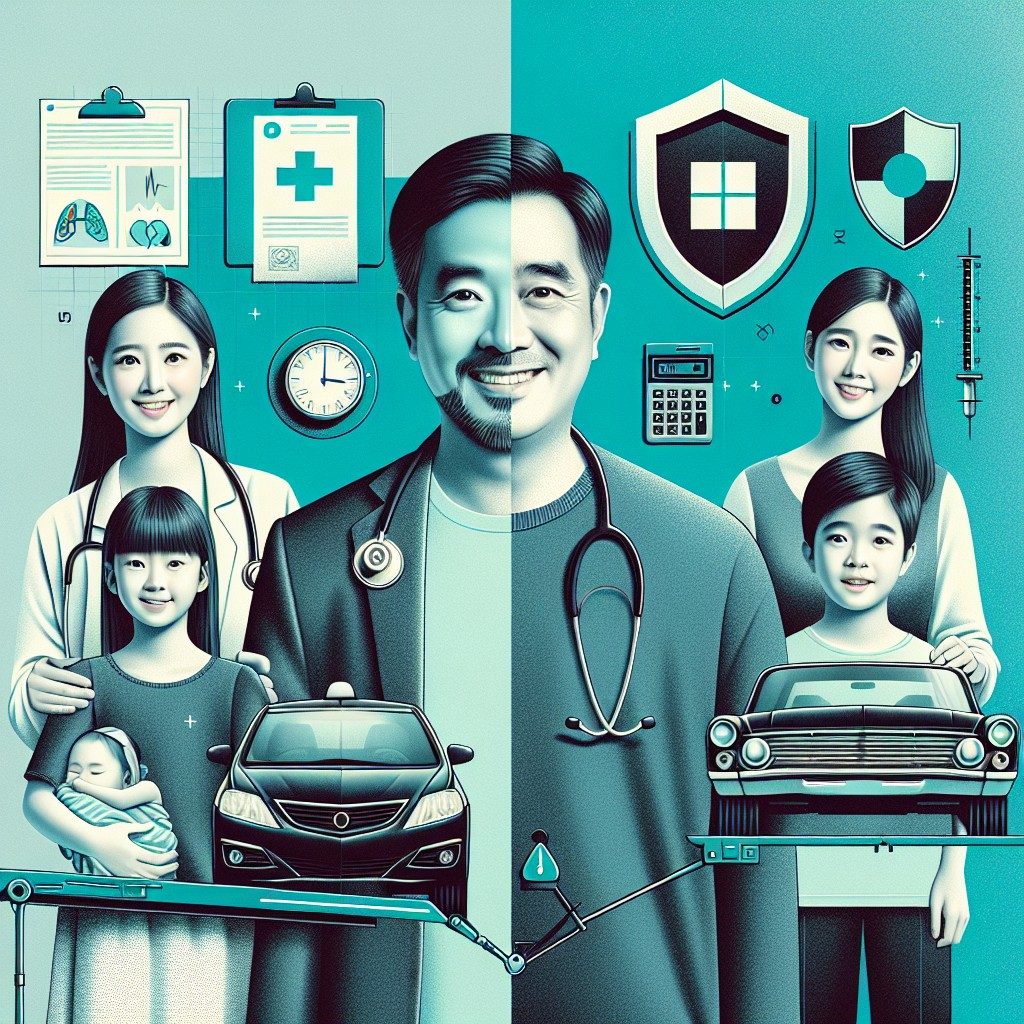
In the healthcare sector, machine learning breakthroughs are transforming diagnostic and treatment methods. Consumer health apps now utilize machine learning for monitoring vital signs, detecting anomalies, and providing early warnings about potential health issues. Wearable devices equipped with advanced sensors use machine learning to interpret complex physiological data in real-time, enhancing the accuracy of health tracking. These developments contribute to more informed decisions by users and healthcare professionals alike.
Enhancements in personalized entertainment services
Entertainment platforms are utilizing machine learning to tailor content recommendations to individual users. Streaming services analyze massive amounts of data including viewing habits, search queries, and user feedback to surface content that matches personal tastes. This dynamic recommendation system increases user engagement and satisfaction by reducing the time spent searching for relevant media. The ongoing improvements in natural language processing and image recognition make these systems more effective and responsive.
Machine learning driving innovations in automotive technology
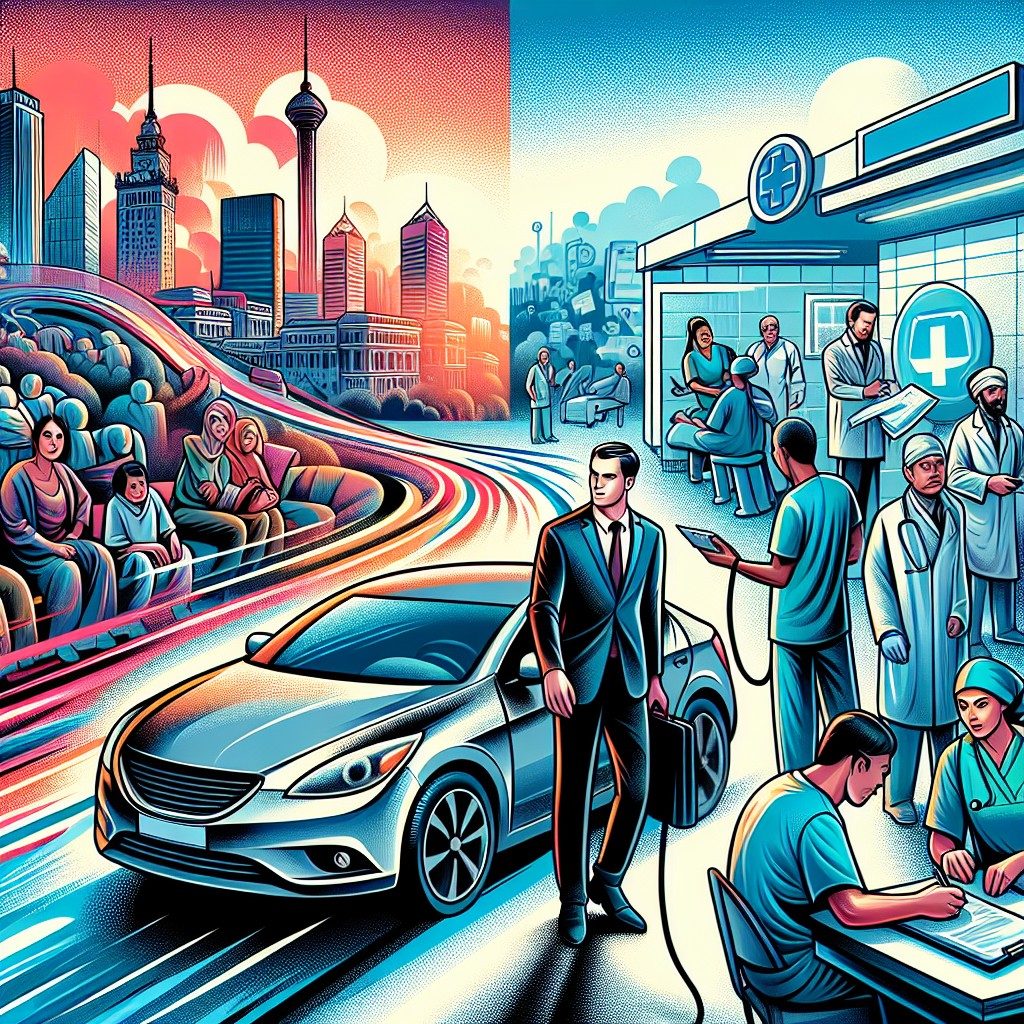
The automotive industry is harnessing machine learning to develop smart driver assistance systems and autonomous vehicles. Consumer cars are increasingly equipped with features such as adaptive cruise control, lane-keeping assistance, and collision avoidance, all powered by machine learning models analyzing sensor data in real time. These technologies improve safety and driver experience by anticipating road conditions and responding quickly to potential hazards. The continuous data collection and model updates ensure vehicles become smarter over time.
Challenges in delivering reliable machine learning consumer products
Despite considerable progress, incorporating machine learning into consumer products presents challenges. Ensuring data privacy and security remains paramount, as these products rely on large datasets, some containing sensitive user information. Additionally, maintaining transparency in how machine learning models make decisions is critical to building consumer trust. Companies must also address the risks of algorithmic biases that could affect product fairness and usability. Striking this balance is essential as machine learning adoption expands.
Conclusion: The future of machine learning in consumer technology
As machine learning continues to evolve, its incorporation into consumer products is set to increase, making devices more intuitive and personalized. Ongoing research and development efforts focus on improving algorithm efficiency, interpretability, and ethical standards. The trajectory suggests a future where machine learning will underpin a broad spectrum of consumer technologies, driving innovation while raising important considerations about privacy and fairness.
Frequently Asked Questions about machine learning
What is machine learning and how does it apply to consumer products?
Machine learning is a subset of artificial intelligence that enables systems to learn from data and improve their performance without explicit programming. In consumer products, it powers features like personalized recommendations, voice recognition, and smart automation to enhance user experience.
How does machine learning improve smart home devices?
Machine learning allows smart home devices to adapt to user behaviors by analyzing usage patterns, improving voice command recognition, and optimizing functions such as temperature control, making homes more efficient and user-friendly.
Are there privacy concerns related to machine learning in consumer products?
Yes, many machine learning-enabled devices collect and process personal data, which raises privacy concerns. Companies must implement strong data protection mechanisms to safeguard user information while utilizing machine learning technologies.
Can machine learning in healthcare consumer products provide accurate results?
Machine learning in healthcare consumer products can enhance accuracy in monitoring and diagnostics by analyzing complex health data. However, users should treat these tools as supplementary and consult medical professionals for definitive decisions.
What challenges do companies face when integrating machine learning into products?
Companies face challenges such as ensuring algorithm transparency, preventing biases in machine learning models, maintaining data security, and delivering reliable performance under different conditions when integrating machine learning into products.